Hand Crafted Font for Web Design Projects
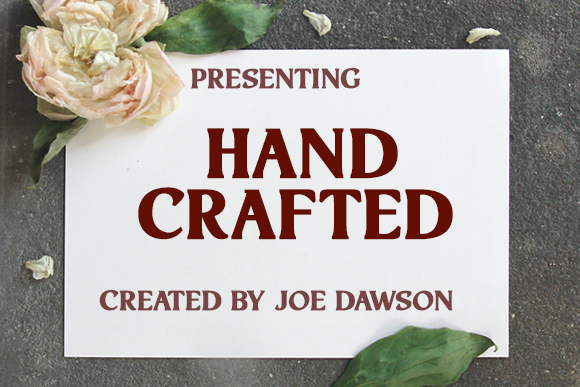
There’s something about the first click of a new design project that feels like stepping into a blank canvas. Recently, I was tasked with redesigning a boutique online store, and as I began to lay out the hero section, I knew I needed a font that would capture the brand’s essence—quirky, authentic, and full of charm. That’s when I discovered Hand Crafted, a display font that brought exactly that energy to life.
Hand Crafted is more than just a typeface—it’s a storytelling tool. Its curves and playful strokes evoke a sense of hand-drawn authenticity, making it perfect for brands that want to feel personal and approachable. As I tested it in the hero section, I immediately noticed how it stood out against the background image, drawing the eye without overwhelming the overall design.
Visual Personality and Digital Appeal
The visual characteristics of Hand Crafted are what make it so versatile. It has a whimsical yet elegant feel, blending modern typography with a touch of nostalgia. This makes it ideal for creative portfolios, boutique websites, or any digital space that wants to feel both professional and personable.
I used it on the main headline of the homepage, where it paired beautifully with a clean sans serif font for body copy. The contrast helped guide the user’s attention naturally from the headline to the supporting text, improving readability and visual hierarchy.
Using Hand Crafted in Real Web Layouts
One of the best things about Hand Crafted is how well it performs across different screen sizes. On mobile devices, the font remains legible even when scaled down, which is crucial for responsive layouts. I tested it on a product landing page, placing it over an image banner, and found that it added a layer of personality without distracting from the visuals.
It also worked well in call-to-action areas, where short, punchy phrases benefit from a bit of flair. Whether it was “Shop Now” or “Discover More,” the font made these buttons feel inviting and unique.
However, it’s important to note that Hand Crafted isn’t suitable for long paragraphs or dense text blocks. Its decorative nature makes it better suited for headlines, section titles, and decorative accents rather than body copy.
Font Pairing and Accessibility Considerations
When working with Hand Crafted, I found that pairing it with a simple sans serif font like Montserrat or Open Sans created a balanced look. This combination provided a strong visual contrast while maintaining a cohesive brand identity.
For accessibility, it’s essential to ensure that the font doesn’t clash with the background or become difficult to read on dark modes. I tested it on light and dark backgrounds and found that it performed well when given enough spacing and contrast.
Another thing to consider is the availability of webfont formats and multilingual support. Before implementing Hand Crafted on client projects, I always check if the font includes all necessary characters and styles for the target audience.
Real-World Use Cases for Hand Crafted
Here are some realistic examples of where Hand Crafted can shine in web design:
- Boutique Online Store: Used for product titles, promotional banners, and custom packaging descriptions.
- Coaching Website: Ideal for hero sections, blog headers, and course titles that need a friendly, approachable tone.
- Portfolio Homepage: Great for showcasing work with a creative and personal touch.
- Campaign Landing Page: Perfect for headlines that need to grab attention quickly and stand out visually.
Each of these use cases benefits from the font’s ability to add character without sacrificing clarity or professionalism.
In conclusion, Hand Crafted is a fantastic addition to any web designer’s toolkit. It brings a unique blend of fun and authenticity to digital projects, helping brands stand out in a crowded online space. Whether you're designing a landing page, a portfolio, or an e-commerce site, this font can elevate your design and create a memorable user experience. Just remember to use it thoughtfully, keeping its decorative nature in mind when choosing where and how to apply it in your layouts.